Share the history.
A short love letter to the town that raised us. Old Town. Beach Loop. Face Rock. The lighthouse. The dunes. The bogs.
Why we live here
Bandon is a small town on the southern Oregon coast. About thirty-three hundred people. Three stoplights on the way through. A working harbor on the Coquille River, a beach loop south of town that you can walk for miles, a lighthouse you can see from almost everywhere, and a golf resort that put us back on the map.
We’re Bandon natives. Forty-nine years selling here. If you’re moving to Bandon or just wondering about it, here’s the short version.
Around the area
A Journey Around Bandon
Start in Old Town where the river meets the ocean, and work your way down the coast and back inland.
Old Town Bandon
The working waterfront.
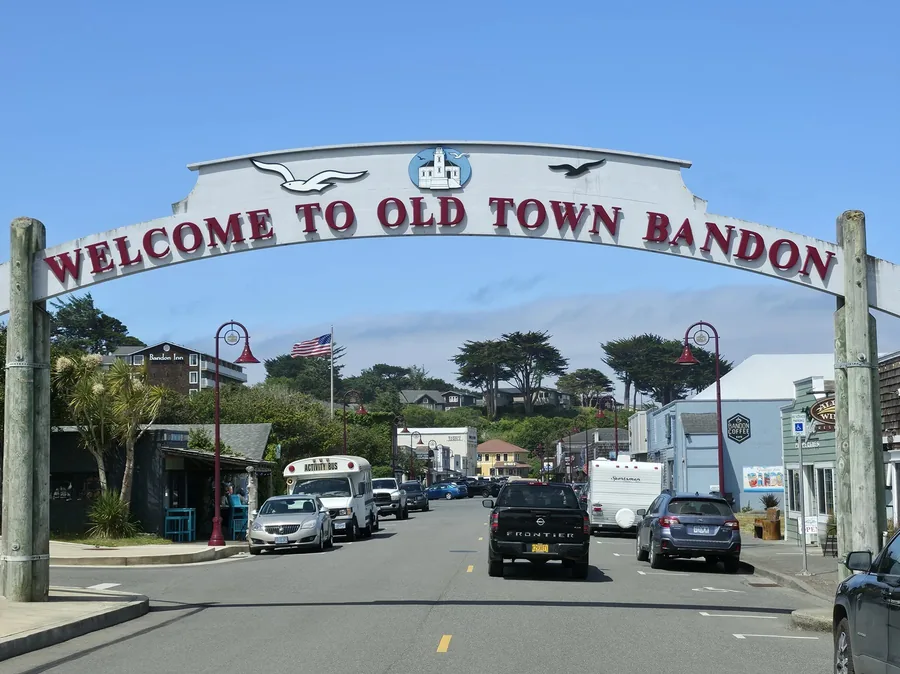
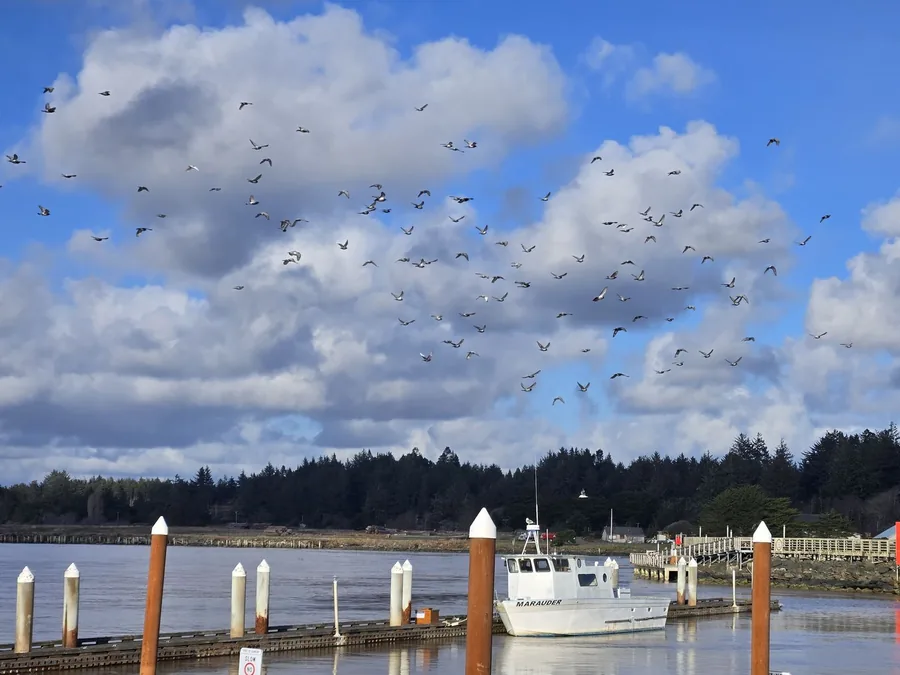
Old Town is ten blocks along the south side of the Coquille River. Shops and galleries on Second Street, restaurants on First, the boardwalk along the water. The Port of Bandon runs the boat basin and the marketplace.
Watch the fishing boats come in. Walk the boardwalk. Cast some crab pots off the docks. Stop for cranberry candy at Cranberry Sweets.
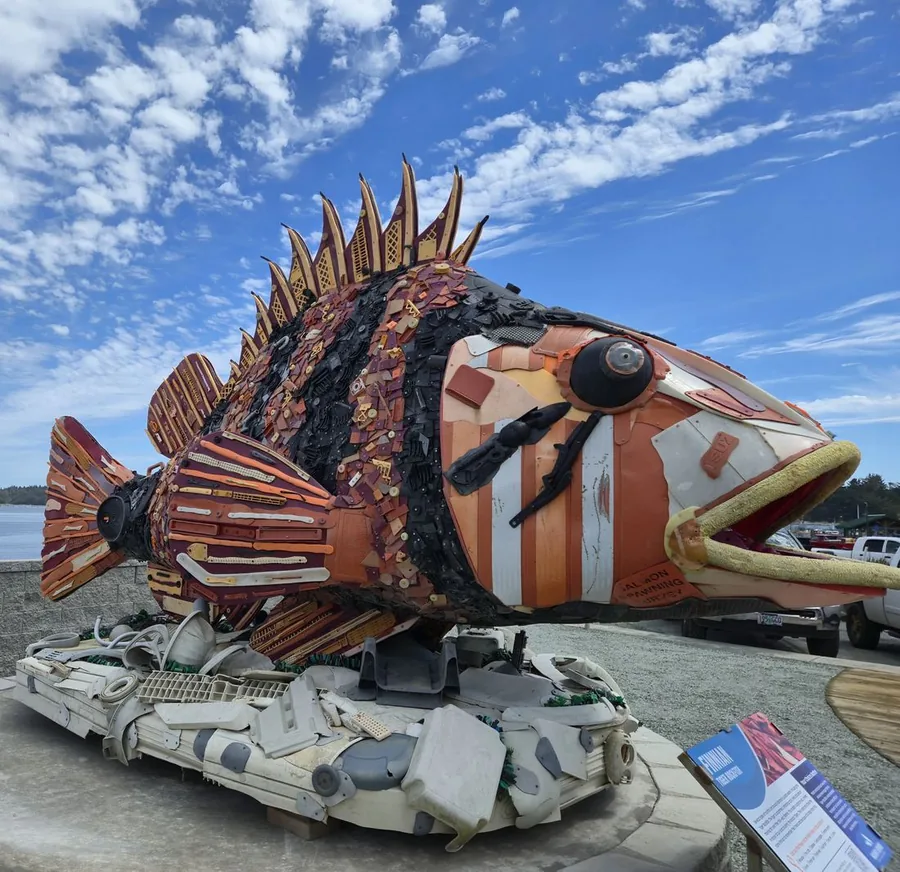
Washed Ashore lives at the Port.
The plastic fish at the boat basin entrance is part of Washed Ashore, the Bandon-based nonprofit that turns ocean trash into giant marine-life sculptures. Every piece of trash used to make the fish was pulled off Oregon beaches.
The Beach Loop
Seven miles of nothing but beach.
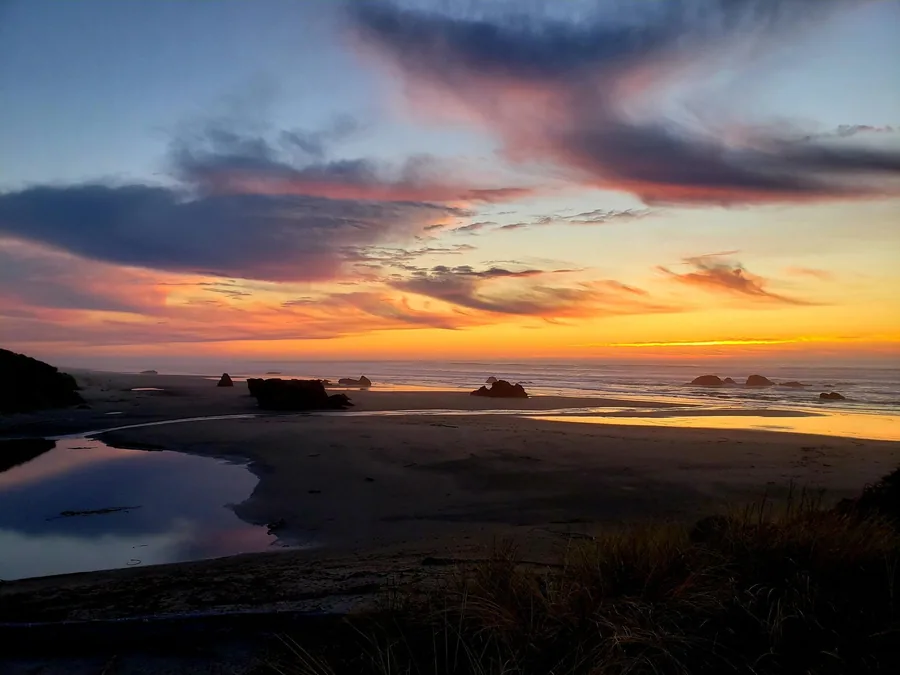
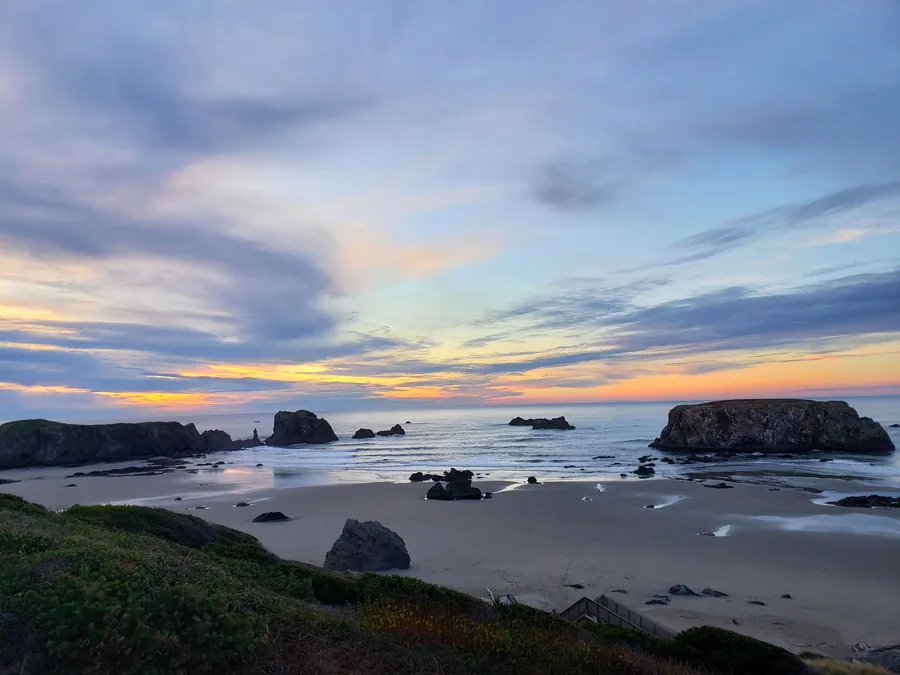
Beach Loop Drive runs south from town past Coquille Point, Face Rock, and Devil’s Kitchen. Pull off anywhere. Walk down. It’s rarely crowded, never closed, and the tide pulls back twice a day to show you what lives underneath.
Face Rock
The stacks have a story.
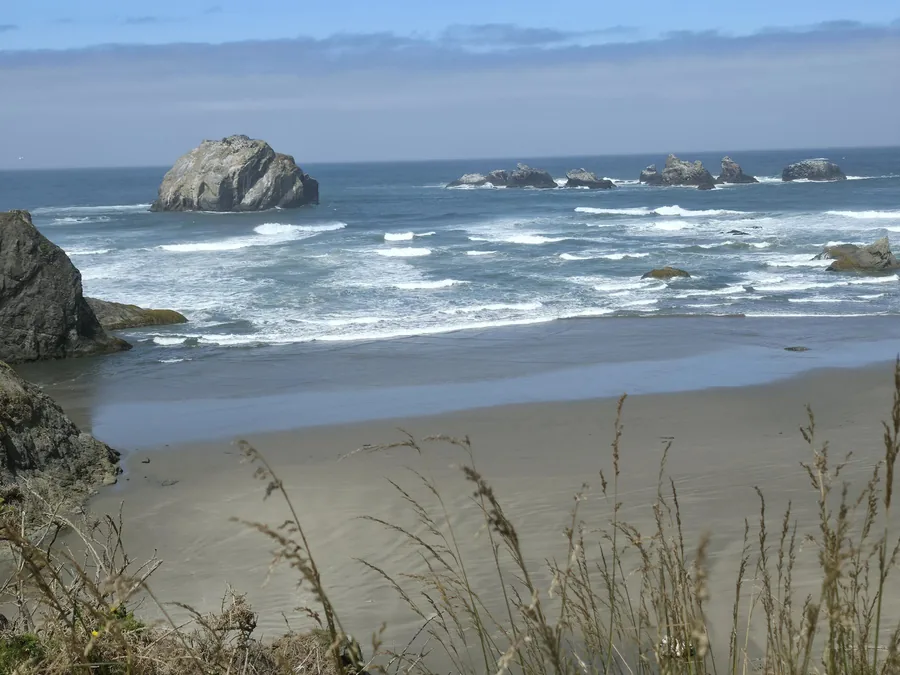
Local legend says Face Rock is a Native American princess turned to stone by an evil sea spirit. The smaller stacks around her are her dog and the seal pups she was carrying. She’s still looking up at the sky, waiting.
You can see her clearly from the viewpoint at the end of Beach Loop. About 250,000 people come through every year. Most of them don’t know the story.
The tide pools at the foot of the stacks.
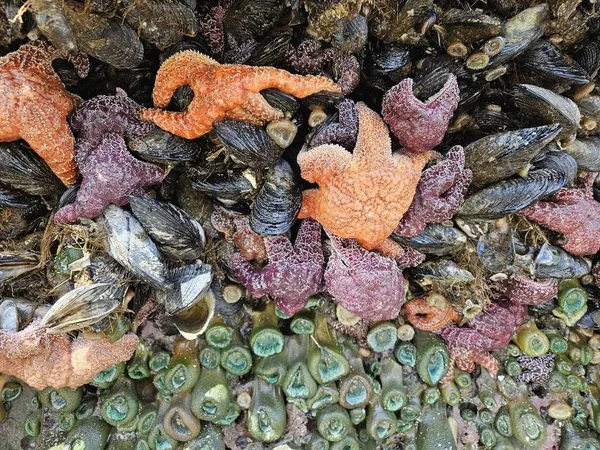
Time it right and you’ll find ochre stars, purple stars, green anemones, mussels packed shoulder to shoulder. The Oregon Islands National Wildlife Refuge protects the rocks and tidal flats. Three hundred species of birds use them.
Watch the tide tables. The window is short.
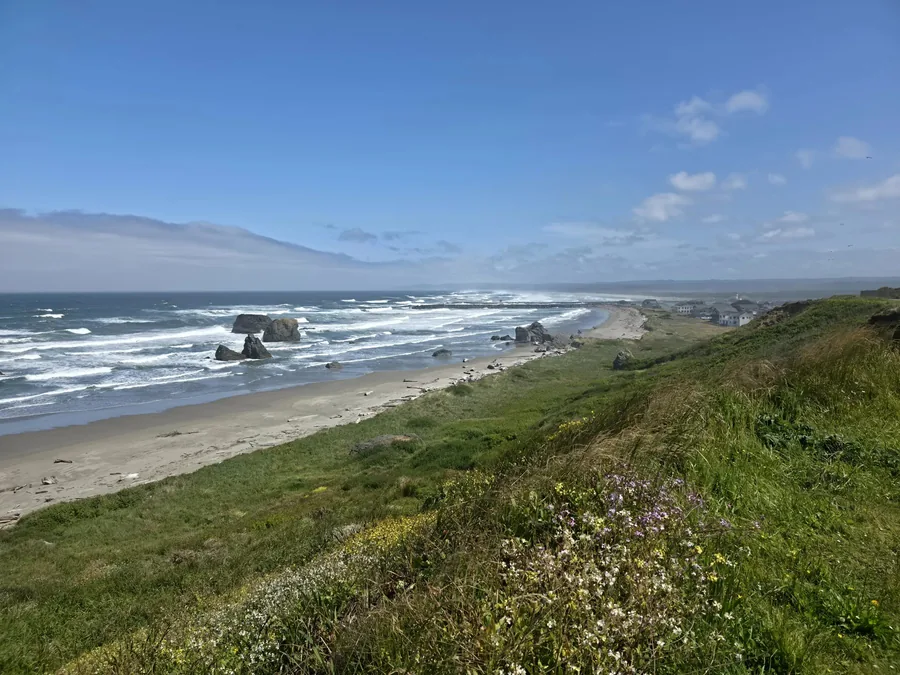
From the south jetty
Where the river meets the ocean.
The South Jetty is the long curve of basalt that holds back the Coquille River where it pours into the Pacific. You can see Face Rock and the sea stacks south down the coast, the lighthouse across on the north jetty, the harbor behind you, and the open ocean ahead.
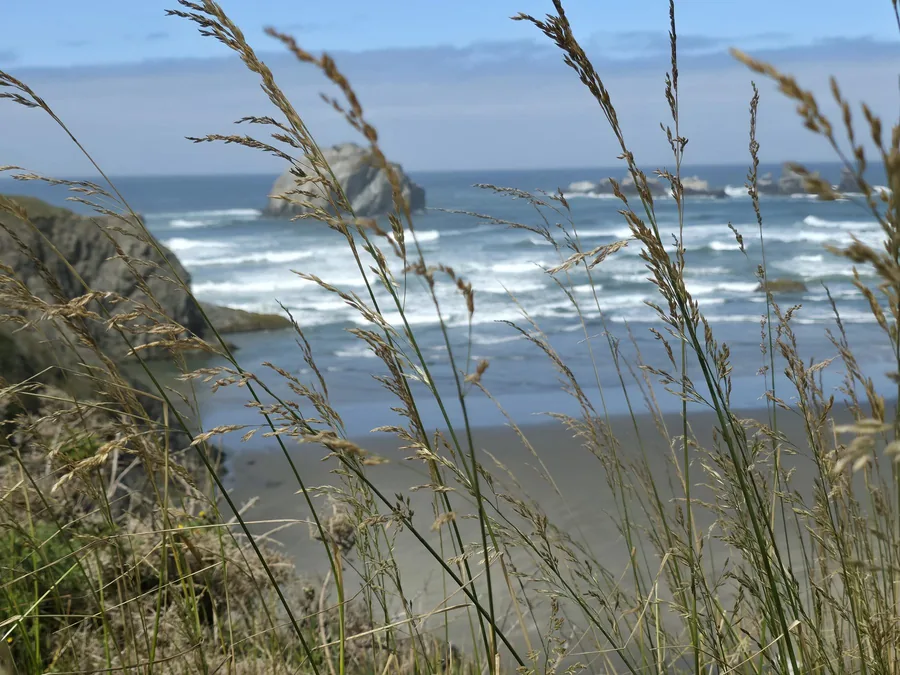
On Bandon
This town has burned down twice. Each time, it comes back stronger.
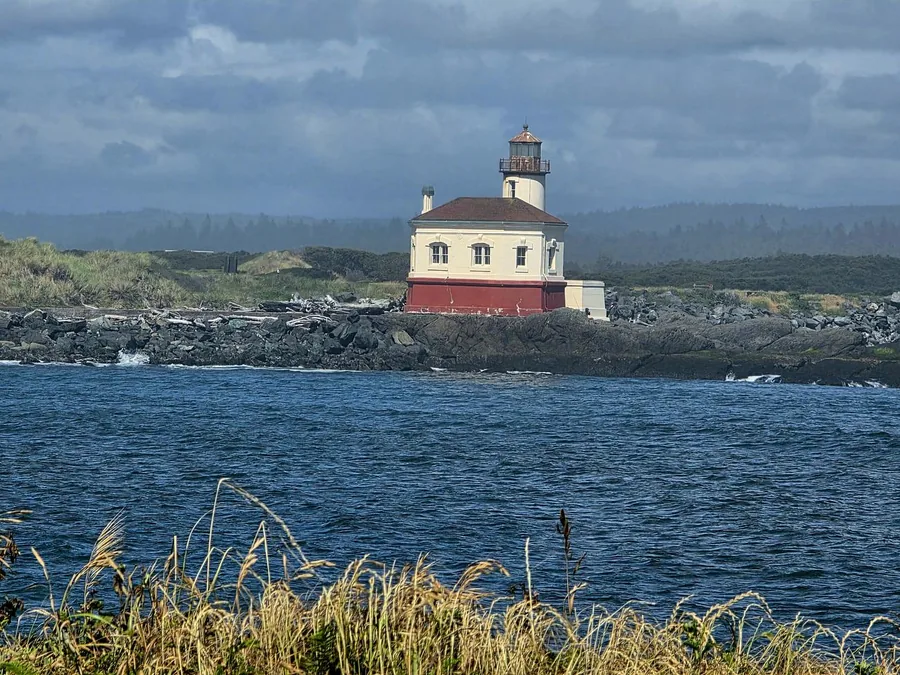
Coquille River Lighthouse
Built in 1896. Still standing.
The Coquille River Lighthouse sits on the north jetty across from Old Town. It went into service in 1896, was decommissioned in 1939, and got restored by the state in the 1970s. You can walk inside on weekends.
It’s also the silhouette in our logo. We grew up looking at it. So did our parents.
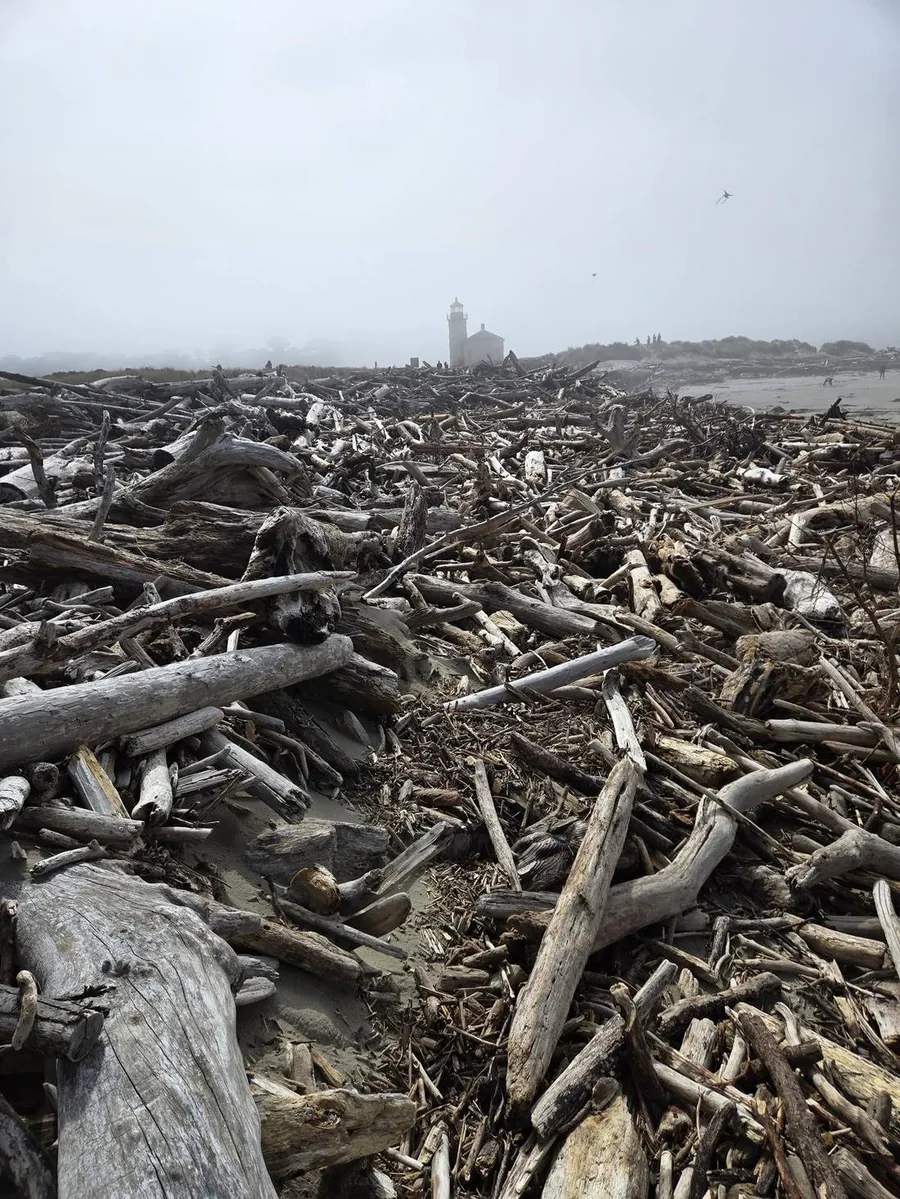
When the fog comes in.
Most days the lighthouse sits clean against blue sky. The fog comes in from the Pacific most mornings between June and September, and on the right kind of morning the tower disappears entirely except for the lamp room.
If you’re visiting, walk the jetty at first light. The driftwood pile in front goes on for half a mile.
Bandon Dunes Golf Resort
The course that put us back on the map.
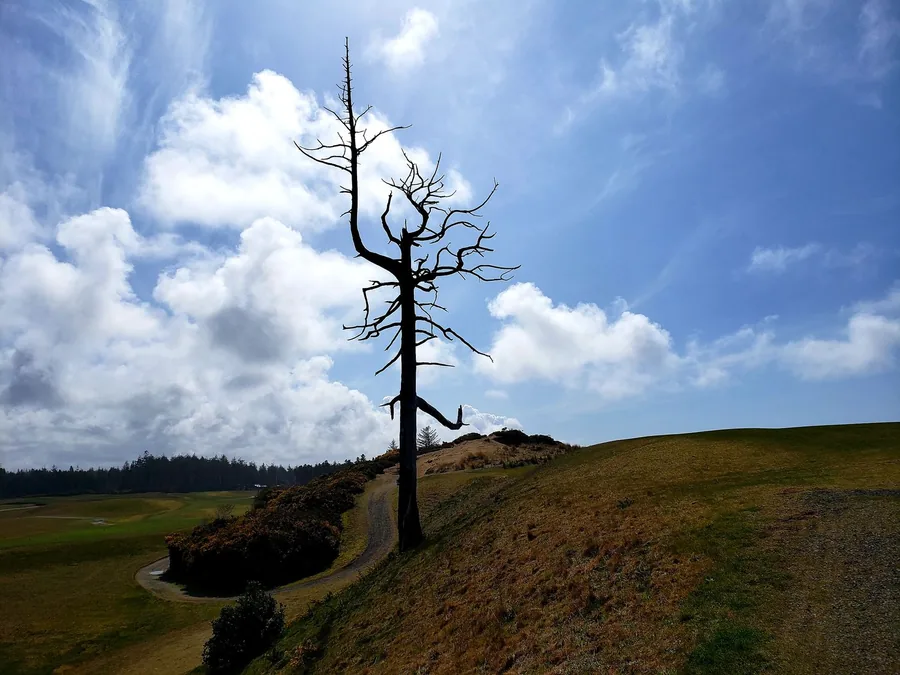
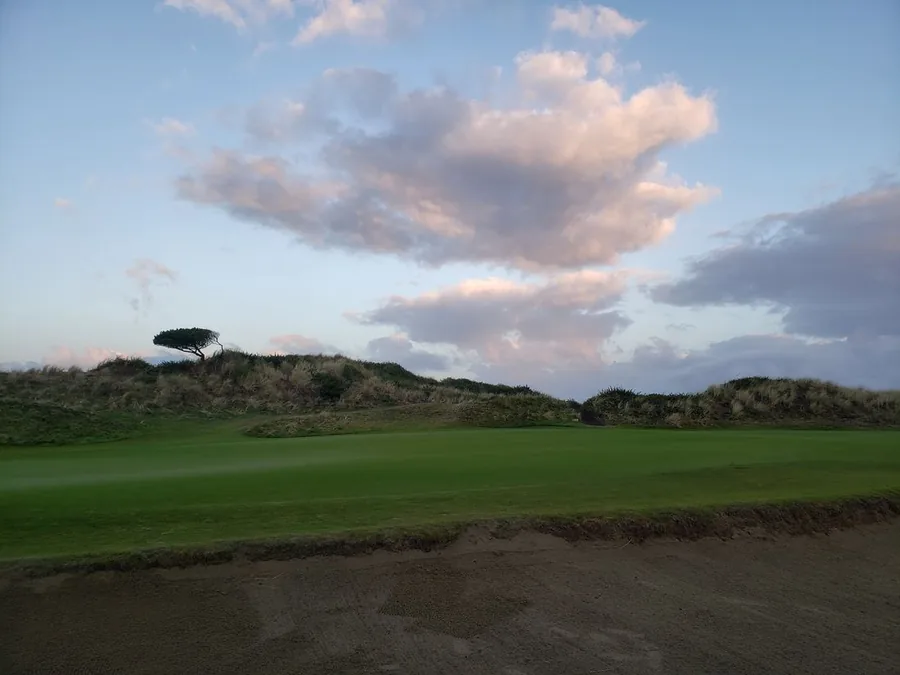
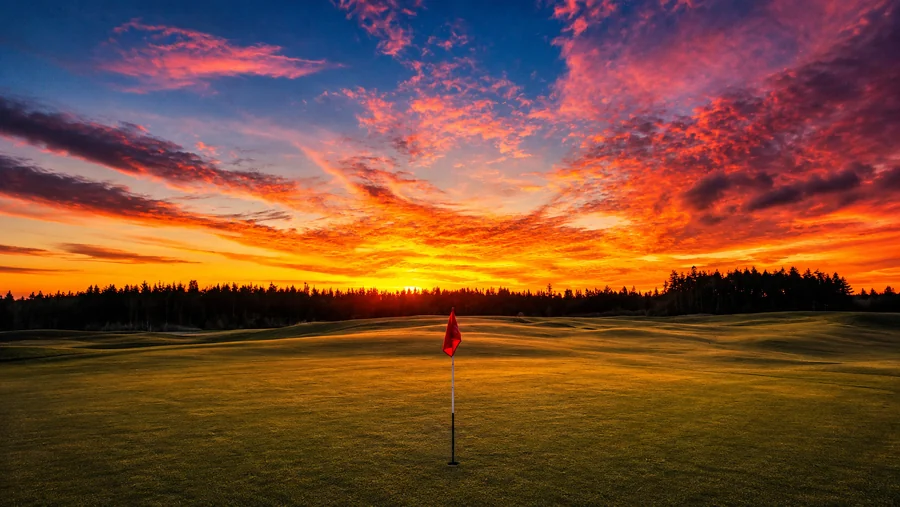
Bandon Dunes opened in 1999 north of town. Six courses now, all walking-only, all built into the natural dunes the way they were in Scotland a hundred years ago. People fly across the country to play here.
The cranberry capital of Oregon
Why the vines.
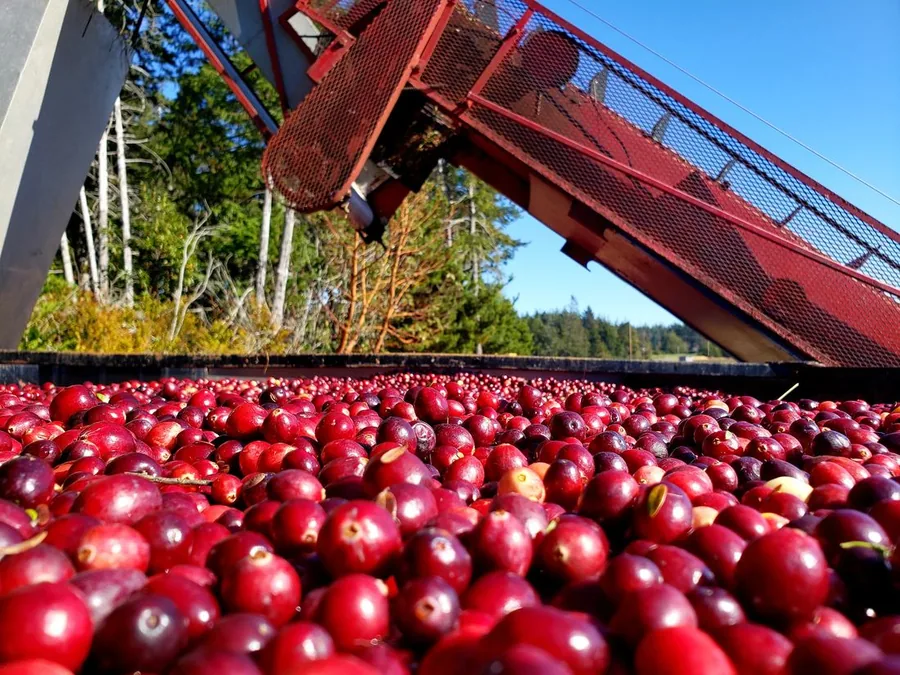
Bandon has grown cranberries commercially since 1885. There are about 175 acres of bogs in and around town, producing millions of pounds every fall. The Cranberry Festival has run since 1947. Every year Barry and Jodie are out there for fall harvest.
Read about Barry & Jodie’s farm →Bandon History Museum
Our town’s whole story.
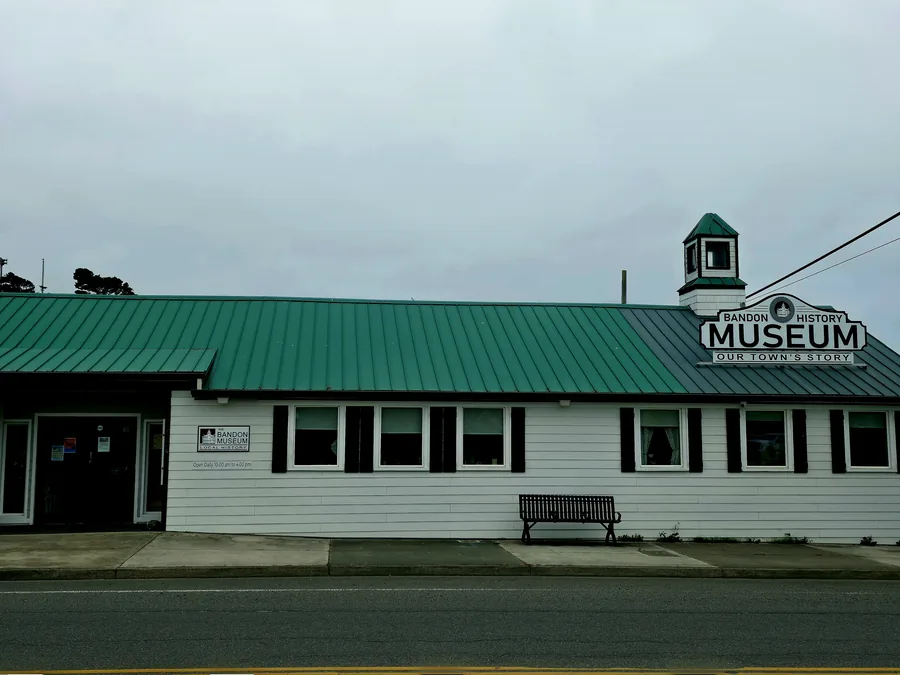
It sits on Highway 101 at Fillmore, a few steps up from Old Town, in the old City Hall. Inside is four thousand square feet of the town’s history: the Coquille people who fished the river first, the shipbuilders and riverboat captains, the loggers and dairymen, the gold once panned out of the beach sand.
The maritime room is the one that gets people, wall to wall with shipwrecks and the boats that worked the river. It is bigger inside than it looks from the road, so give yourself more time than you planned.
September 1936
The fire that rebuilt the town.
In September 1936, a brush fire south of town turned into a firestorm. Most of Bandon burned to the ground in a single afternoon. Eleven people died. The town rebuilt over the following decades on the same streets.
Born and raised
Still here
If you’re thinking about Bandon, talk to us.
Forty-nine years of buying and selling on this coast. We answer the phone. Reach out anytime.